Why the DJI Osmo Pocket 3 Is Changing the Game for Content Creators
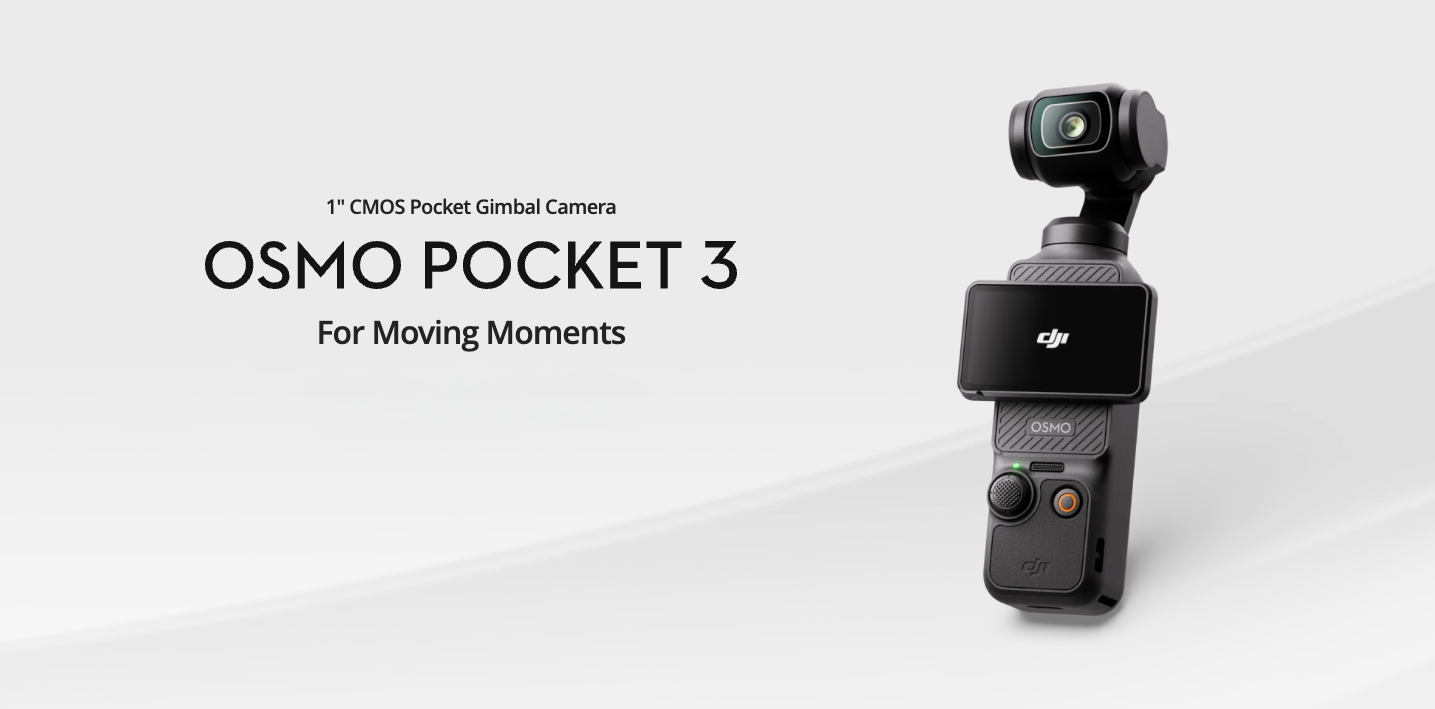
“Cinematic” gets thrown around a lot, but it’s usually a mix of a few key things: depth, motion, and lighting.
The Osmo Pocket 3 hits all three.
The larger sensor creates that subtle background blur that separates your subject from everything else. It’s not exaggerated—it’s just enough to make your content feel more polished.
The built-in gimbal handles motion. Whether you’re walking through a crowded space or quickly capturing moments on the fly, the footage stays smooth without needing extra gear.
And when it comes to lighting, especially in environments like restaurants, bars, or events, the camera holds up. Instead of falling apart in low light, it adapts—keeping the image clean and usable without requiring perfect conditions.
Together, these elements create footage that doesn’t just look good—it feels elevated.
Built for the Way Content Is Made Today
One of the biggest strengths of the Osmo Pocket 3 isn’t just image quality—it’s how quickly you can go from idea to finished content.
Modern content doesn’t happen on a controlled set. It happens in real time—during events, behind the scenes, in fast-moving environments where you don’t get second takes.
The Pocket 3 is built for that.
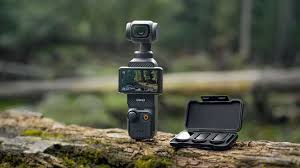
You can pull it out, flip the screen into vertical mode, and start shooting immediately. No rigging, no balancing, no setup. It removes friction, and that matters more than people think.
Because the easier it is to shoot, the more consistent you become. And in content, consistency is everything.
Where It Really Shines
This camera isn’t just good in theory—it’s especially effective in the environments most businesses actually operate in.
Think about:
- a packed bar at night
- a restaurant during a dinner rush
- an event with constant movement
These are not ideal filming conditions. Lighting is unpredictable, space is tight, and everything is happening quickly.
And that’s exactly where the Osmo Pocket 3 performs best.
It’s small enough to stay out of the way, stable enough to keep footage smooth, and powerful enough to handle difficult lighting without falling apart.
For creators working with local businesses—especially in hospitality—this is a huge advantage.
The Real Advantage: Speed and Consistency
At the end of the day, the biggest difference this camera makes isn’t just visual—it’s operational.
A lot of people chase perfect setups. The best lenses, the best rigs, the most cinematic gear possible. But those setups often slow you down.
The Osmo Pocket 3 does the opposite. It prioritizes speed without sacrificing quality.
You’re able to capture more moments, more often, with less effort. And over time, that consistency compounds. More content leads to more visibility, more engagement, and ultimately more growth.
Final Thoughts
The DJI Osmo Pocket 3 isn’t about replacing high-end cameras. It’s about making high-quality content more accessible, more repeatable, and more practical.
It brings together a larger sensor, built-in stabilization, and a workflow designed for modern platforms—and packages it into something you can carry in your pocket.
For creators and businesses alike, that combination is powerful.
Because in today’s landscape, the advantage doesn’t go to the person with the most gear.
It goes to the one who can create consistently—and create well.
Looking to Elevate Your Content?
At Violet Skyy Media, we focus on using the right tools to create content that actually performs. Because great content isn’t just about how it looks—it’s about how it connects, engages, and drives results.
And sometimes, the right tool makes all the difference.
In content creation, there’s always a gap between what looks good on paper and what actually works in the real world.
Plenty of cameras promise “cinematic quality.” Plenty of setups can deliver incredible footage. But most of them come with trade-offs—too bulky, too slow, too complicated, or just not built for the pace of modern content.
That’s where the DJI Osmo Pocket 3 stands out.
It’s not trying to be a full cinema rig, and it’s not pretending to replace high-end cameras. Instead, it does something far more valuable: it delivers high-quality, cinematic-looking content in a format that’s fast, simple, and built for how content is actually created today.
The Power of the 1-Inch Sensor
At the core of what makes the Osmo Pocket 3 so effective is its 1-inch sensor.
If you’ve ever compared footage from a phone to footage from a larger camera, you’ve probably noticed the difference without knowing exactly why. That difference largely comes down to sensor size.
A larger sensor allows more light to enter the camera. More light means cleaner footage, better detail, and a more natural separation between your subject and the background.
In practical terms, this means:
- low-light environments look usable instead of grainy
- highlights and shadows retain more detail
- subjects stand out more naturally
Instead of everything feeling flat and digital, the footage has depth. It feels intentional. It feels closer to what people associate with “cinematic.”
Related Blog